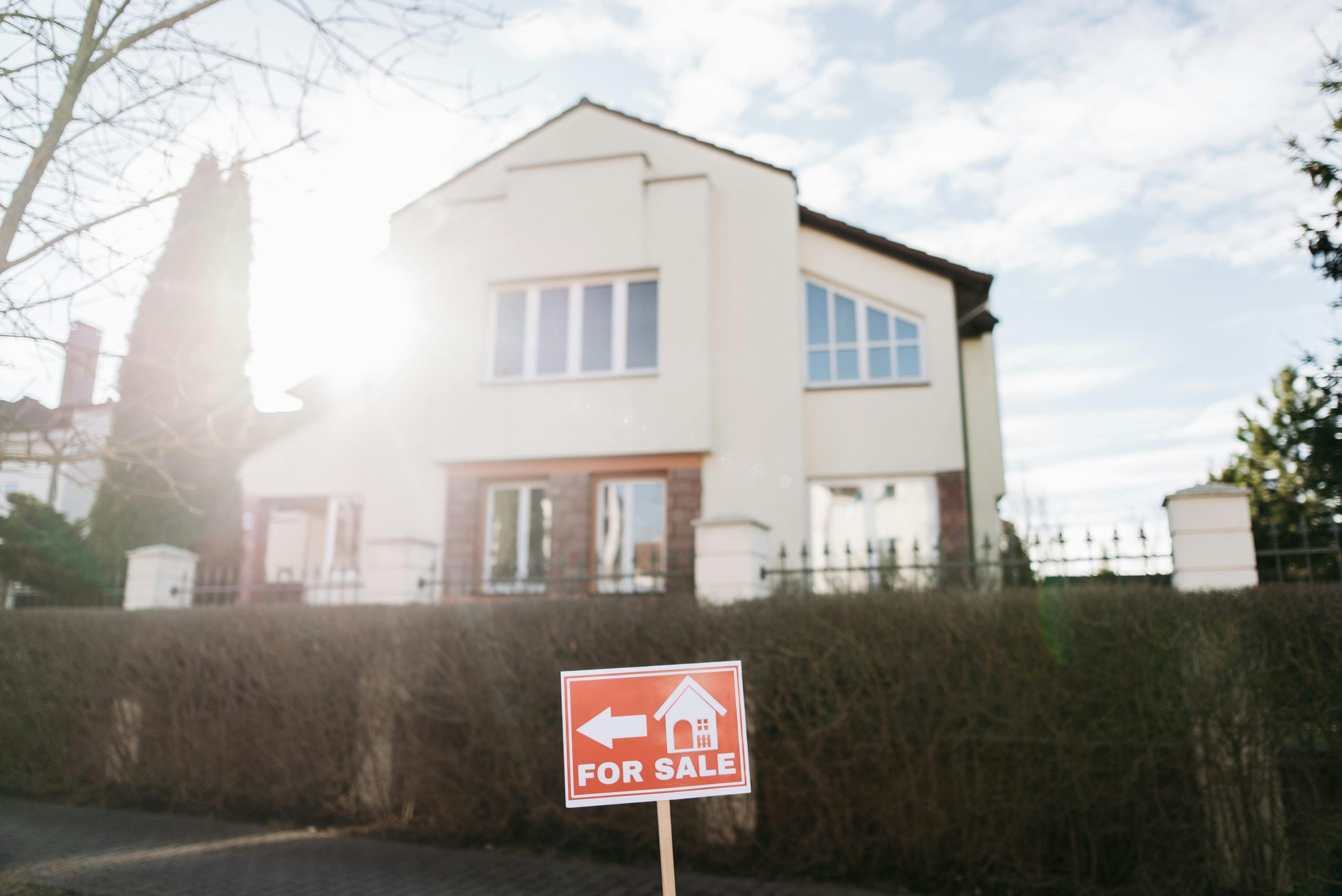
Highlights:
- Older homes sell faster when focus is on reducing buyer hesitation, not full renovations. Clean, clear presentation matters most.
- First impressions form quickly, both at entry and online, making lighting and listing photos critical.
- Buyers first notice flooring, light, odors, kitchen/bath condition, and visible maintenance issues.
- Preparation works best when it focuses on cleaning, decluttering, neutral styling, and small visible fixes.
- Exterior appearance strongly shapes expectations before buyers even enter the home.
- Realistic pricing is key to generating faster interest and stronger offers.
- Staging and marketing help buyers see potential and reduce perceived effort.
Selling an older home quickly can feel like a balancing act. On one hand, you want to move fast. On the other, older properties often come with quirks, wear and tear, and outdated features that can slow buyers down. The good news is that speed doesn’t always require major renovations or huge spending. In many cases, it comes down to smart preparation, strategic improvements, and understanding what buyers are actually looking for.
Older homes also have a unique advantage: character. Solid construction, established neighborhoods, mature trees, and larger lot sizes are often strong selling points. The challenge is making sure those strengths are not overshadowed by visible maintenance issues or outdated design choices.
This guide breaks down exactly how to position an older home for a fast sale, focusing on practical steps that increase appeal, reduce buyer hesitation, and help your property stand out in a competitive market.
Why Do Older Homes Sometimes Take Longer to Sell?
Older homes don’t automatically sell slower, but they can require more buyer reassurance. Most buyers today are looking for move-in-ready properties or at least homes that feel low-risk. When a house shows visible aging, buyers often assume hidden problems, even if the structure is solid.
Common concerns include:
- Outdated electrical or plumbing systems
- Roof wear or aging exterior materials
- Old flooring, fixtures, or finishes
- Poor lighting or layout inefficiencies
- Signs of deferred maintenance
Even minor cosmetic issues can create hesitation. Buyers mentally calculate repair costs, then reduce their offer—or move on entirely.
The key to selling faster is reducing uncertainty. The more “complete” and well-maintained your home appears, the quicker buyers feel comfortable making an offer.
What Do Buyers Notice First When Viewing an Older Property?

Most buyers start forming an opinion almost immediately after stepping through the front door. In fact, many real estate agents will tell you that the “first 60 seconds” can heavily influence how the rest of the showing goes. With older homes, buyers tend to be slightly more cautious because they’re actively looking for signs of upkeep, hidden issues, or costly future repairs.
The entryway sets the tone right away. If it feels cramped, dark, or outdated, buyers may already start mentally discounting the home before they even reach the main living areas. From there, attention quickly shifts to how the space flows, how well it has been maintained, and whether it feels move-in ready or like a renovation project.
After the initial impression, buyers begin scanning for more specific details. These are not always conscious decisions—often, they’re rapid comparisons against newer listings they’ve seen online.
Key Areas Buyers Instantly Evaluate
In older properties, buyers tend to focus on a few critical areas that strongly influence perceived value and comfort:
- Entryway and first living space presentation: Buyers notice lighting, cleanliness, and how welcoming the space feels. A cluttered or dim entryway can set a negative tone immediately.
- Flooring condition and consistency throughout the home: Uneven flooring types, visible wear, or damaged surfaces can make a home feel dated or poorly maintained.
- Natural light and window condition: Brightness plays a huge role in perceived value. Old, dirty, or poorly sealed windows can also raise concerns about insulation and energy efficiency.
- Odors and overall air quality: Musty smells, strong cooking odors, or signs of dampness are immediate red flags. Even if the home is structurally sound, smell can heavily influence buyer emotion.
- Kitchen and bathroom age and condition: These rooms often carry the most weight in a buyer’s decision. Outdated cabinets, fixtures, or tiles can make the entire home feel older than it is.
- Signs of deferred maintenance or structural neglect: Cracks in walls, water stains on ceilings, peeling paint, or visible wear around doors and windows can create concerns about deeper issues.
Beyond these obvious visual cues, buyers are also subconsciously assessing how much effort it will take to bring the home up to modern standards. Even small details—like outdated light switches or worn trim—can contribute to the overall impression of “how much work is here.”
It’s also important to remember that first impressions don’t begin at the front door. In today’s market, they start online. Buyers scroll through listings long before scheduling a visit, and photos play a huge role in whether they decide a property is worth seeing in person.
Dark or poorly lit images, cluttered rooms, and outdated styling can significantly reduce interest, even if the home is structurally solid. On the other hand, bright, clean, well-composed photos can make an older home feel more inviting and well-maintained than it actually appears in person.
This is why preparation goes beyond simple repairs. It’s not just about fixing what’s broken—it’s about shaping how buyers feel about the space before and during the showing. A well-prepared older home reduces doubt, builds confidence, and helps buyers focus on the potential rather than the problems.
How Should You Prepare an Older Home for a Fast Sale?
Preparing an older home for a quick sale is less about turning it into a brand-new property and more about removing hesitation. Buyers don’t expect everything to be modern, but they do expect a home that feels cared for, functional, and easy to move into. The main goal is to reduce objections before they even come up in a buyer’s mind.
When buyers walk through an older home, they are naturally assessing two things at once: condition and effort. If they start mentally adding up repairs, updates, and cleaning tasks, interest tends to drop quickly. But if the home feels clean, bright, and well maintained, they shift their focus toward livability instead.
A strong preparation strategy is built around creating clarity in every space. That means removing distractions, highlighting the home’s strengths, and making it easy for buyers to imagine themselves living there without immediately thinking about renovations.
What a Smart Preparation Strategy Looks Like
A well-prepared older home usually focuses on a few high-impact areas rather than overwhelming upgrades:
- Deep cleaning every surface thoroughly: This goes beyond basic cleaning. It includes baseboards, vents, ceiling corners, window tracks, and other often-overlooked areas that can subtly signal neglect if left dirty.
- Decluttering to improve space perception: Older homes often have smaller or segmented rooms, so reducing visual clutter helps make spaces feel larger and more open.
- Neutralizing paint colors throughout the home: Bold or outdated colors can date a space quickly. Neutral tones help buyers focus on the structure and layout instead of personal design choices.
- Upgrading lighting for a brighter atmosphere: Many older homes suffer from dim or outdated lighting. Replacing fixtures or increasing brightness can instantly modernize the feel of a space.
- Fixing minor but visible maintenance issues: Small problems like dripping faucets, squeaky doors, or loose handles may seem minor, but they can signal neglect when viewed collectively.
- Removing highly personal décor and styling: Family photos, bold artwork, and personalized décor can make it harder for buyers to mentally “move in.”
At this stage, the focus should stay on visible, high-impact improvements that directly reduce buyer hesitation. Full-scale renovations are usually unnecessary and can slow down the selling process rather than speed it up.
Why Over-Renovating Can Slow You Down
One common mistake sellers make is trying to fix everything before listing. While well-intentioned, this often delays the sale and increases costs without guaranteeing a higher return. Instead of aiming for perfection, the better approach is to prioritize updates that improve perception and eliminate obvious concerns.
This is where strategic planning becomes important. Many homeowners find that focusing on home improvement projects that add value helps them avoid unnecessary upgrades and stay aligned with what actually influences buyer decisions.
These types of improvements typically focus on visibility and functionality rather than full remodeling. They include updates that make the home feel fresh, maintained, and move-in ready without requiring major construction or long timelines.
High-Impact Improvements That Support a Faster Sale
The most effective updates for older homes tend to be simple but visually noticeable:
- Fresh interior paint in neutral tones that appeal to most buyers
- Updated cabinet hardware or light kitchen refreshes instead of full remodels
- Repaired or refinished flooring to remove visible wear
- Brighter, more modern lighting to improve overall atmosphere
- Minor bathroom improvements like updated mirrors, fixtures, or caulking
These improvements don’t aim to transform the home—they aim to remove friction. When buyers walk through and don’t immediately see problems that need fixing, they are far more likely to focus on the positives.
The idea is to create a sense of readiness. A home that feels well cared for, even if it is older, often performs better on the market than a partially renovated home that still has visible unfinished issues.
Should You Fix Everything Before Listing?
Not necessarily. One of the biggest mistakes homeowners make when preparing an older property for sale is assuming that every issue needs to be fixed before the home can go on the market. In reality, trying to renovate everything can slow things down, drain your budget, and delay your listing—without guaranteeing a faster sale or higher price.
Buyers don’t expect perfection, especially with older homes. What they do expect is a property that feels safe, well-maintained, and honest about its condition. Over-improving can sometimes even backfire if the upgrades don’t match the neighborhood or price point.
A better approach is to focus on prioritizing repairs and improvements based on impact. Think in terms of what directly influences buyer confidence versus what simply improves aesthetics for personal preference.
What Should You Prioritize Instead of Full Renovations?
When preparing an older home, it helps to break improvements into clear categories based on urgency and visibility:
High-Impact Repairs That Affect Buyer Confidence
These are issues that can quickly turn buyers away if left unresolved:
- Roof leaks or visible roof damage
- Plumbing issues such as leaks or low water pressure
- Electrical problems or outdated wiring concerns
- Structural cracks or foundation movement signs
These types of problems don’t just affect appearance—they raise concerns about long-term safety and cost. Even small signs of these issues can cause buyers to overestimate repair expenses.
Visible Cosmetic Fixes That Shape First Impressions
These improvements don’t necessarily impact function, but they strongly affect perception:
- Peeling or faded paint on walls or trim
- Broken or outdated fixtures and hardware
- Damaged flooring such as warped boards or worn carpets
- Stained ceilings or visible water marks
- Small cosmetic flaws that make the home feel neglected
Even though these fixes may seem minor, they influence how “cared for” the home feels overall. Buyers often interpret multiple small issues as signs of larger hidden problems.
Functional Upgrades That Improve Flow and Usability
These are changes that make the home feel easier to live in without requiring major renovation:
- Better lighting placement or updated fixtures
- Replacing worn door handles and cabinet hardware
- Improving room layout through simple staging adjustments
- Removing furniture that blocks pathways or makes rooms feel smaller
The goal here isn’t transformation—it’s clarity. Buyers should be able to move through the home easily and understand how each space is meant to function.
Anything outside these categories can often be left as-is, especially if it doesn’t impact safety, livability, or first impressions. In many cases, older homes sell successfully with a mix of minor updates and honest pricing rather than full-scale renovations.
A helpful mindset shift is to ask: Will this change actually help the home sell faster, or is it just improving it for me personally?
How Important Is Curb Appeal for Older Homes?
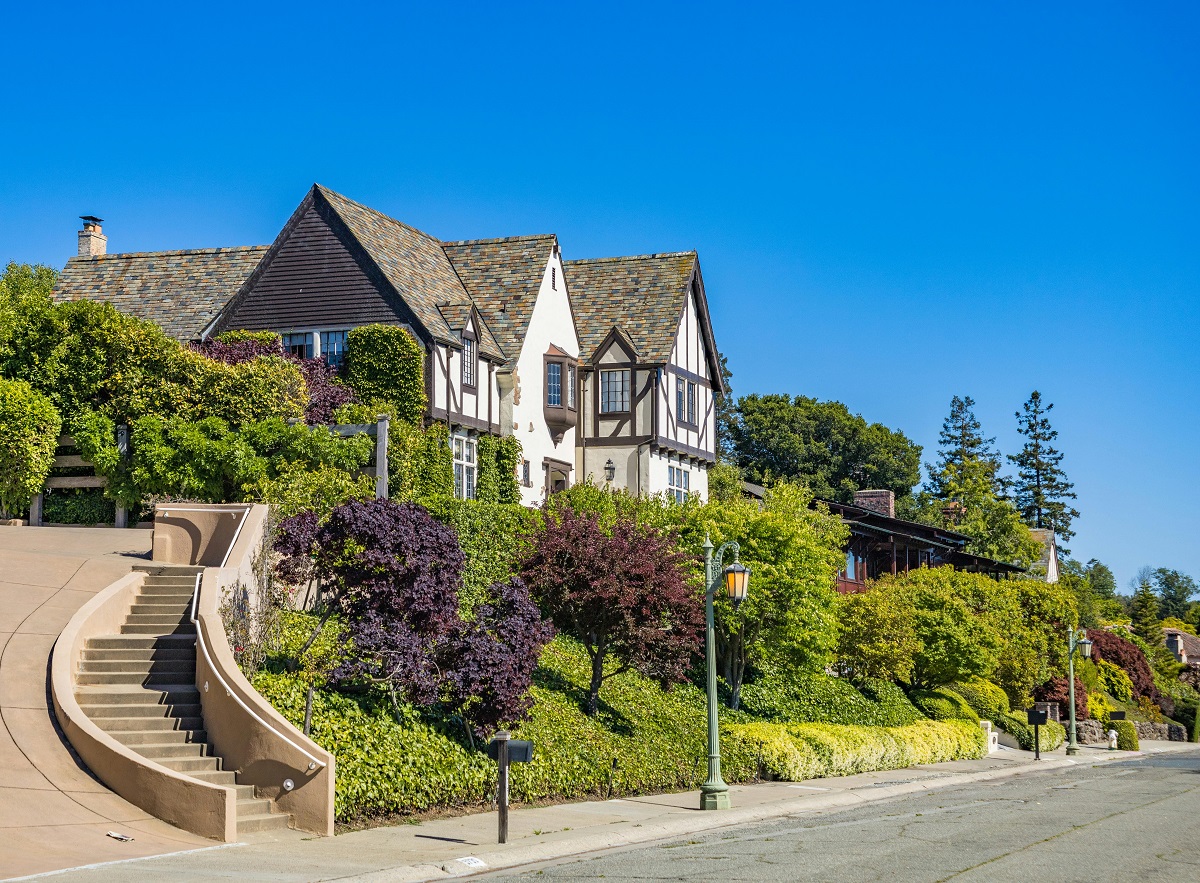
Curb appeal plays a huge role in how quickly an older home sells—sometimes even more than interior condition. Buyers often form an opinion before they step inside, and that initial impression can heavily influence how they interpret the rest of the property.
If the exterior looks neglected, buyers may assume the interior has similar issues. On the other hand, a clean, well-maintained exterior builds trust and sets a positive expectation before the showing even begins.
Even simple improvements can make a noticeable difference in how a home is perceived:
- Fresh paint or touch-ups on exterior walls, trim, or siding
- Pressure washing driveways, walkways, and exterior surfaces
- Trimming overgrown shrubs and cleaning up landscaping
- Updating house numbers, mailbox, or exterior lighting
- Cleaning gutters and ensuring the roof looks maintained
- Refreshing the front door with paint or hardware upgrades
These changes don’t need to be expensive to be effective. The goal is to signal that the property has been cared for consistently.
In some cases, investing in home exterior restoration can significantly improve how quickly a home attracts offers. This might involve repairing worn siding, repainting the exterior façade, fixing visible wood damage, or restoring architectural details that have deteriorated over time. While not every older home requires full restoration, improving the exterior condition can dramatically reduce buyer hesitation and increase showing interest.
What Upgrades Actually Attract Serious Buyers?
Not all upgrades carry the same weight when it comes to selling quickly. Some changes create excitement, while others simply remove doubt. The fastest-selling homes usually strike a balance between updated features and overall simplicity.
Buyers tend to respond most strongly to homes that feel modern, clean, and easy to maintain. This doesn’t mean fully renovating an older property—it means focusing on updates that align with expectations.
Common features that attract serious buyers include:
- Bright, well-lit interiors that feel open and welcoming
- Functional kitchen layouts with clean surfaces and updated details
- Bathrooms that feel fresh and hygienic rather than outdated
- Energy-efficient lighting and modern fixtures
- Open, uncluttered living spaces
- Neutral color schemes that appeal to a wide audience
The goal is not to erase the character of an older home, but to make it feel move-in ready and low-risk.
A big part of buyer decision-making is emotional. When a home feels like it won’t require immediate work, buyers are more likely to act quickly and confidently. This is where home upgrades that attract buyers become especially important. These are targeted improvements designed to reduce hesitation rather than overhaul the entire property.
Examples include:
- Replacing outdated countertops with simple, neutral surfaces
- Painting or refacing kitchen cabinets instead of full replacement
- Installing modern lighting fixtures in key rooms
- Refreshing grout, tiles, or caulking in bathrooms
- Improving built-in storage or adding organization features
- Enhancing natural light with lighter window treatments
These upgrades help eliminate the mental checklist buyers often create during showings—things like “this will need to be replaced” or “this feels outdated.” The fewer of those thoughts buyers have, the faster they tend to move toward an offer.
How Does Staging Influence How Fast a Home Sells?
Staging is one of the most cost-effective ways to improve selling speed, especially for older homes. It doesn’t require major renovation, but it significantly changes how buyers perceive space, layout, and livability.
Good staging helps buyers focus on the home’s potential rather than its flaws.
Effective staging usually includes:
Creating Clear Space and Flow
- Removing excess or oversized furniture
- Ensuring walkways are open and unobstructed
- Arranging rooms so their purpose is immediately clear
Keeping the Design Neutral
- Using simple, minimal décor
- Avoiding bold colors or highly personal design choices
- Reducing visual distractions in each room
Enhancing Visual Appeal
- Adding soft, light-colored textiles for warmth
- Using mirrors to improve brightness and space perception
- Highlighting focal points like windows or architectural features
Even partial staging—focused on main living areas—can significantly improve listing photos and increase the number of showings.
What Pricing Strategy Helps Older Homes Sell Faster?
Pricing is often the deciding factor in how quickly a home sells. Even a well-prepared property can linger on the market if it is priced above what buyers perceive as fair value.
To price effectively, it’s important to combine data with realistic expectations:
- Review recent comparable sales in the same area
- Compare your home’s condition against newer or renovated listings
- Avoid pricing based on emotional attachment or renovation costs
- Be open to adjusting based on early buyer feedback
A competitively priced home tends to generate more immediate interest. In some cases, slightly underpricing can even create urgency, leading to multiple offers and a faster closing timeline.
How Can Marketing Speed Up the Sale of an Older Home?
Strong marketing can dramatically reduce time on market, especially when selling an older property. The goal is to attract attention quickly and convert that attention into showings and offers.
High-Quality Photography Matters
Clear, bright images can make an older home look significantly more appealing. Poor lighting or cluttered photos often discourage buyers before they even schedule a viewing.
Strong, Informative Listings
A good listing description should highlight:
- Recent upgrades or improvements
- Location advantages
- Functional strengths of the home
- Unique character or architectural features
Online Visibility
Most buyers begin their search online, so placement and exposure matter. The more visible the listing, the faster it gathers interest.
Positioning Older Homes Positively
Instead of focusing on age, highlight strengths such as:
- Established neighborhoods
- Mature landscaping
- Larger lot sizes
- Solid construction quality
The key is framing the home as a well-maintained, reliable option rather than something outdated or in need of major work.
How Do You Create Urgency Among Buyers?
Creating urgency doesn’t mean rushing buyers—it means making the home feel desirable and competitive.
You can do this by:
- Listing at the right time of year
- Pricing competitively from the start
- Ensuring strong first-week marketing exposure
- Keeping the home show-ready at all times
- Responding quickly to inquiries and offers
When buyers sense competition or strong interest, they tend to act faster.
Final Thoughts: What Actually Helps Sell an Older Home Quickly?
Selling an older home fast is less about transformation and more about presentation and strategy. Buyers don’t expect perfection, but they do expect clarity, cleanliness, and confidence that the home has been well cared for. When a property feels organized, well-maintained, and easy to understand, buyers are more likely to move quickly without overthinking potential issues or future repair costs.
The fastest sales usually come from homes that feel clean and updated, have strong curb appeal, are priced realistically, highlight their strengths instead of hiding their age, and require minimal immediate work after purchase. When these elements come together, they reduce hesitation and make it easier for buyers to visualize themselves living in the space without feeling overwhelmed by projects or upgrades.
With the right preparation, even older homes can compete strongly in the market and attract serious buyers quickly, often performing just as well as newer listings when positioned correctly.