
Your home is more than just a shelter; it is a living investment and a reflection of your personal standards. When we talk about the “exterior,” we are discussing the primary defense mechanism against the elements and the first impression you offer to the world. Over time, even the most well-built structures succumb to the wear and tear of seasonal shifts, UV exposure, and biological stressors.
Rebuilding or enhancing your property isn’t just about aesthetics—it’s about structural integrity, energy efficiency, and long-term value. This guide provides a comprehensive roadmap for homeowners looking to transform their property from the soil up to the roofline, ensuring every dollar spent contributes to a more resilient and beautiful home.
Soil Health and Turf Management
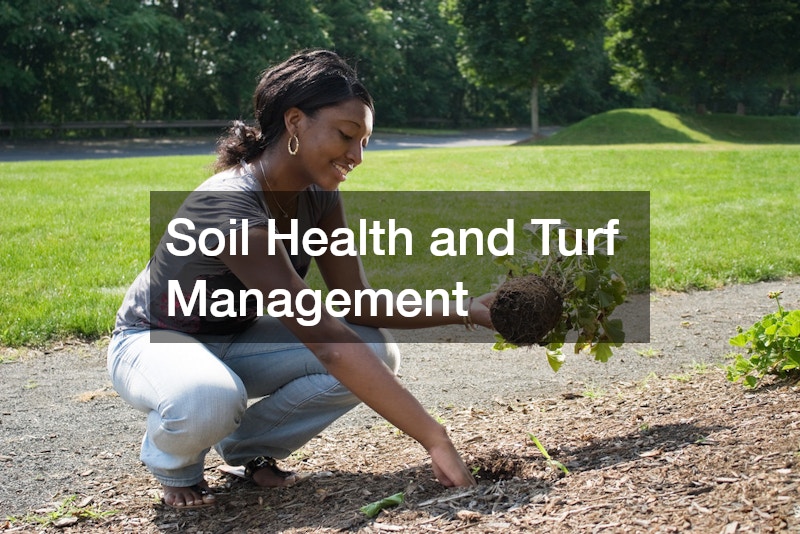
The foundation of a stunning property is the green carpet that ties everything together. Many homeowners treat their lawn as a secondary thought, but the health of your grass is a direct indicator of the health of your local ecosystem. Achieving that golf-course finish requires moving beyond basic watering.
- The Chemistry of Growth: Grass requires a delicate balance of nitrogen, phosphorus, and potassium. Most soil in residential areas is depleted of these nutrients over time. Implementing a consistent schedule for lawn fertilization is the only way to ensure the root system has the energy to survive winter dormancy and summer heat waves.
- Precision Maintenance: It isn’t just about how often you cut the grass, but how you cut it. Using a dull blade tears the grass fibers rather than slicing them, which leads to browning and disease. Keeping a well-maintained lawn mower with sharpened blades ensures the plant can heal quickly after every trim.
- Mowing Height Strategies:
- In the heat of summer, set your deck higher to shade the soil and retain moisture.
- In the fall, lower the height slightly to prevent snow mold and matting.
- Never remove more than one-third of the grass blade in a single session.
By focusing on the biological needs of the turf, you create a dense root mat that naturally chokes out weeds and reduces the need for heavy chemical interventions.
Trees and Professional Landscaping Strategy
While grass provides the floor, trees and shrubs provide the “walls” of your outdoor room. These living structures offer shade, privacy, and wind protection, but they require a level of expertise that goes beyond basic gardening.
- Architectural Planting: Professional landscapers do more than plant flowers; they analyze the topography of your land. They look at drainage patterns to ensure water moves away from your foundation and select plant species that will thrive in your specific hardiness zone without becoming invasive.
- Structural Safety: Large trees are assets, but they can become liabilities during storms. Regular inspections by tree services are vital for identifying internal rot, fungal infections, or precarious limb weight. Proactive pruning not only keeps the tree healthy but prevents thousands of dollars in potential roof damage from falling branches.
- Why Professional Intervention Matters:
- Root Management: Experts can predict how a tree’s root system will interact with your plumbing and driveway.
- Phased Planning: A designer can create a five-year plan so your exterior evolves systematically rather than looking like a patchwork of random projects.
- Native Species: Professionals prioritize plants that support local pollinators and require less supplemental irrigation.
Hardscaping and Defensive Perimeter Planning
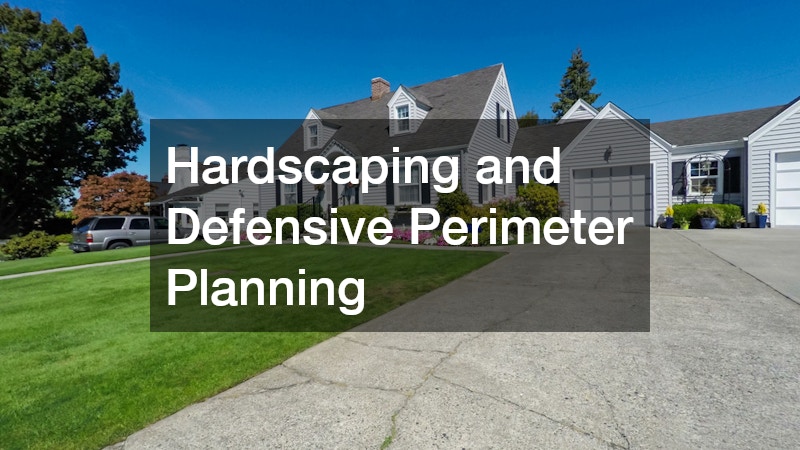
Once the “living” elements are under control, you must address the “hard” elements. These are the structures that define the movement of people and vehicles across your property. At the same time, you must protect these investments from biological threats.
- The Driveway and Pathways: A cracked or heaving driveway is more than an eyesore; it’s a trip hazard and a source of water infiltration. Hiring a paving contractor ensures that the sub-base is properly compacted and graded. Without a solid foundation, even the most expensive asphalt or stone will fail within a few seasons.
- Protecting the Investment: As you improve your landscaping, you often inadvertently create habitats for unwanted guests. Wood-destroying insects and rodents can move from your garden beds into your home’s structure. Establishing a professional pest support routine is essential when you are rebuilding your exterior. This creates an invisible barrier that prevents the local ecosystem from reclaiming your living room.
- Best Practices for Hardscapes:
- Use permeable pavers to reduce runoff and recharge the local groundwater.
- Ensure all walkways have a 2% slope away from the home’s foundation.
- Seal your stone and asphalt every 2–3 years to prevent UV degradation.
Expanding the Living Space with Outdoor Rooms
The modern home doesn’t end at the back door. One of the highest-ROI projects a homeowner can undertake is the construction of a functional outdoor living space. This bridges the gap between the comfort of the indoors and the beauty of the outdoors.
- The Perfect Patio: A well-designed patio serves as a secondary kitchen, a dining room, or a lounge. However, the longevity of this space depends entirely on the expertise of your patio contractor. They must account for soil expansion, drainage, and the weight of heavy furniture or outdoor kitchens to prevent the stones from shifting over time.
- Choosing the Right Materials: From natural flagstone to modern concrete pavers, the material should complement the home’s architecture.
- Key Considerations for Outdoor Rooms:
- Zoning: Create “rooms” using furniture placement or different levels of stone.
- Lighting: Integrate low-voltage LED lighting into the masonry for safety and ambiance.
- Privacy: Use “soft walls” like tall grasses or trellises to create a secluded feel.
By investing in high-quality masonry and professional design, you add usable square footage to your home without the massive cost of a traditional room addition.
Siding and Protection
The siding of your home is its suit of armor. It is the primary layer that keeps moisture out and conditioned air in. If your siding is faded, cracked, or warping, your entire home is at risk of mold and structural rot.
- Total Transformation: Modern siding services offer more than just a new color. New materials like fiber cement or high-grade insulated vinyl can mimic the look of natural wood while offering superior fire resistance and durability. This is often the single most impactful change you can make to your home’s curb appeal.
- The Role of Insulation: When the siding is removed, it provides a rare opportunity to inspect the house wrap and add exterior insulation. This “continuous insulation” prevents thermal bridging, where heat escapes through the wooden studs of your walls.
- The Importance of Windows: Even the best siding can’t compensate for leaky, old glass. If you find your energy bills climbing despite a new furnace, it is likely time for a full window replacement. Modern double or triple-pane units with Low-E coatings reflect infrared light, keeping your home cool in the summer and warm in the winter.
- Signs You Need an Envelope Upgrade:
- Drafts felt near the walls even when doors are closed.
- Peeling paint or wallpaper on the interior of your exterior walls.
- Condensation trapped between panes of glass.
Doors and Final Touches

The final stage of an exterior rebuild involves the “apertures”—the points of entry and exit. These are the focal points of the home and are critical for both security and thermal performance.
- Security and Efficiency: Your windows and door systems are the most vulnerable points in your home’s defense. Upgrading to modern steel or fiberglass doors provides better impact resistance than old wood, while improved weatherstripping ensures a vacuum-like seal against the wind.
- Cohesive Design: When selecting new entries, ensure the hardware and style match the era of the home. A modern farmhouse look might require black window frames and a natural wood door, while a colonial home benefits from traditional divided-lite windows.
- Enhancing the Entryway:
- Porticos: Adding a small roof over the front door protects guests from rain and prevents wood rot on the door frame.
- Hardware: Heavy-duty deadbolts and smart locks add a layer of modern convenience to your aesthetic upgrade.
- Thresholds: Ensure the transition from the patio or porch to the interior is seamless and watertight.
Establishing a Proactive Stewardship Plan
A total exterior rebuild is a significant financial commitment, but its longevity is entirely dependent on the rigor of your maintenance schedule. Without a proactive plan, the environment will immediately begin to degrade your new investments. Proper stewardship involves a combination of daily habits, seasonal deep-dives, and technical inspections.
- Spring Awakening: As the ground thaws, inspect the foundation for new hairline cracks. Clear gutters of winter grit and debris to ensure April showers move away from the house. This is the critical window to inspect the paint and caulking around every window and door to prevent wood rot during the humid months.
- Summer Vigilance: Monitor the hydration levels of your landscaping. High heat can stress even established plants, leading to expensive losses. Check for signs of insect activity early; catching a termite or carpenter ant infestation in July can save your structural integrity by August.
- Autumn Preservation: Before the first freeze, blow out irrigation lines and disconnect hoses. Apply a fresh layer of mulch to garden beds to insulate root systems. This is also the ideal time to check your attic ventilation to prevent ice dams from forming on your roof later in the winter.
- Winter Protection: Use calcium chloride instead of rock salt on new walkways, as traditional salt can pit and destroy high-end pavers or concrete.
- Technical Maintenance and Documentation: Keep a “Home Exterior Journal.” Record the specific paint codes for your siding, the dates of your last roof inspection, and the warranty information for your mechanical upgrades. High-end exterior materials often come with 20 to 50-year warranties, but these are often voided if you cannot prove that basic maintenance was performed.
- The Lifecycle of Materials: Every material has a “wear date.” Wood decks may need staining every two years, while composite materials might only need an annual power wash. Understanding these cycles allows you to budget for “mini-refreshes” so you never face a massive, multi-thousand-dollar failure all at once. Proactive maintenance typically costs about 1% of your home’s value annually but can prevent emergency repairs that cost ten times that amount.
Strategic Budgeting and ROI
Rebuilding an exterior is a marathon, not a sprint. For most homeowners, it is impossible to tackle siding, windows, landscaping, and a patio all in one year. The key is to prioritize based on the “Envelope First” rule.
- Priority 1: Water Mitigation: Anything that keeps water out of the house (roof, gutters, siding) should be funded first.
- Priority 2: Efficiency: Windows and doors follow, as they pay for themselves over time through reduced utility bills.
- Priority 3: Lifestyle and Curb Appeal: Landscaping and patios are the final layer, as they provide the most personal enjoyment and “wow” factor for potential buyers.
When choosing professionals, always ask for a portfolio of work that is at least five years old. Anyone can make a new patio look good for a week; you want to see how their work stands up to five winters and summers.
The Holistic View of Your Property

When you step back and look at your property, you shouldn’t see a collection of separate projects. You should see a singular, integrated system. The trees provide shade that protects the siding; the siding protects the framing; the grading protects the foundation; and the lawn provides the oxygen and beauty that makes the house a home.
Investing in your home’s exterior is an act of stewardship. Whether you are performing the work yourself or managing a team of specialized contractors, the goal is the same: to create a resilient, efficient, and welcoming environment. By following the detailed steps in this guide—from the microscopic nutrients in your soil to the heavy-duty glass in your windows—you are ensuring that your home remains a source of pride and security for decades to come.
The journey of a thousand miles begins with a single step, and the journey of a total exterior rebuild begins with a single inspection. Walk around your property today with a critical eye, take notes on the areas of wear, and begin the process of turning your house back into the masterpiece it was meant to be.