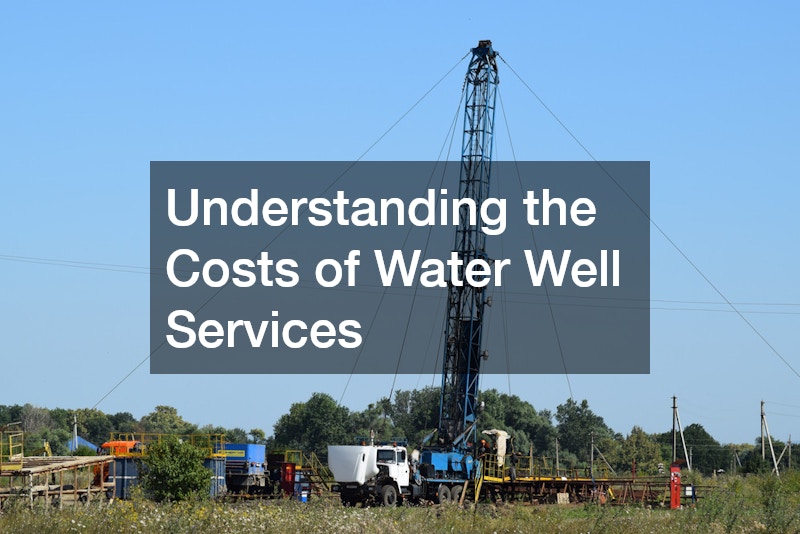
Water well services involve various activities crucial for sustainable water delivery, including initial drilling and ongoing maintenance. These factors impact costs affecting installation and operation budgets. Understanding these costs allows informed decision-making.
This article explores the aspects influencing water well service costs.
What Factors Influence the Cost of Drilling a Water Well?
1. Geological Considerations
Geological composition affects the cost of drilling a water well. Hard terrains need specialized equipment, increasing expenses, while softer soils may need stabilization. Geological surveys determine ground conditions, adding financial burdens. Understanding local geology is crucial for accurate cost estimations.
In certain areas, licensing and regulatory compliance add complexity and cost, requiring special permits that align with water conservation laws. Geological considerations guide physical requirements, legal, and financial aspects. Geology surveys manage risks and costs effectively.
2. Depth and Diameter of the Well
Well depth determines project cost, requiring more machinery for deeper drilling, whereas shallow wells might lack quality or quantity, especially in drought-prone areas. Diameter affects water volume and cost. Depth and diameter balance is crucial for cost-efficient services.
Deeper wells access clean water but need more materials, increasing costs. Larger diameter wells for community needs affect material and labor expenses. Depth influences maintenance costs and pump capacities. Proper planning and estimation help manage costs and ensure consistent supply.
3. Accessibility and Location
Location affects drilling costs due to logistics, labor, and transportation. Difficult access or limited infrastructure increases resource needs and costs. Remote areas face increased labor charges. Urban proximity reduces transport costs but can mean higher permits. Thus, planning for accessibility impacts budget planning.
Existing utility lines can affect feasibility and costs, requiring advanced surveys to avoid damage, raising initial expenses. Location influences technology choice, like noise-reducing equipment in urban areas. Analyzing accessibility helps mitigate unexpected costs.
What Does Regular Water Well Maintenance Involve?
1. Routine Inspection Procedures
Routine inspections maintain well functionality and prevent costly repairs. They ensure regulatory compliance and safeguard health. Scheduled inspections prolong well lifespan and ensure safe water, reducing replacement costs. Implementing a thorough protocol is key to minimizing costs.
Compliance often mandates regular inspections, influencing frequency and budget planning. Routines strike a balance between stability and economic rationality.
2. Cleaning and Sanitization
Cleaning and sanitization are essential for ensuring clean water and extending pump life. Technologies offer eco-friendly maintenance options. Regular cleaning prevents sediment build-up and reduces energy consumption. Investing in cleaning ensures cost efficiency and well sustainability.
Failing to maintain regular cleaning schedules risks water flow and quality. Accumulated debris pressures on pumps are hastening wear. Prioritizing these routines secures consistent well performance and cost-effectiveness.
3. Costs Associated with Common Repairs
Repair costs vary based on issue complexity and extent. Pumps often require repairs, impacting operational costs. Predictive maintenance minimizes downtime and unexpected costs. Understanding potential repair expenses aids financial planning and well reliability.
Proactive repairs and monitoring prevent catastrophic failures and expenses, reinforcing service continuity and economic viability.
How Do Installation Materials Affect Overall Well Costs?
1. Types of Casing Materials
Installation materials influence well costs, with casings being central. Options like steel, PVC, and composites each have cost and property differences. Selecting appropriate casings balances installation costs and performance.
Material choice impacts well integrity, water quality, and environmental compliance. Market dynamics affect material costs, requiring timely assessments.
2. Pump Selection and Efficiency
Pump selection affects costs, depending on well depth and use. Efficient pumps offer long-term savings through energy reduction. Prioritizing efficiency optimizes operational costs.
Efficient pumps reduce energy costs and maintenance. Variable-speed pumps adapt power usage, adding savings. Aligning pump choices ensures resource and cost efficiency.
3. Environmental Considerations and Regulations
Environmental considerations impact materials, aligning with regulations. Compliance affects project costs but ensures ecological balance. Understanding regulations helps align with legislative expectations.
Sustainable practices mitigate environmental impacts and regulatory implications. Positive approaches streamline compliance and reflect economic practicality.
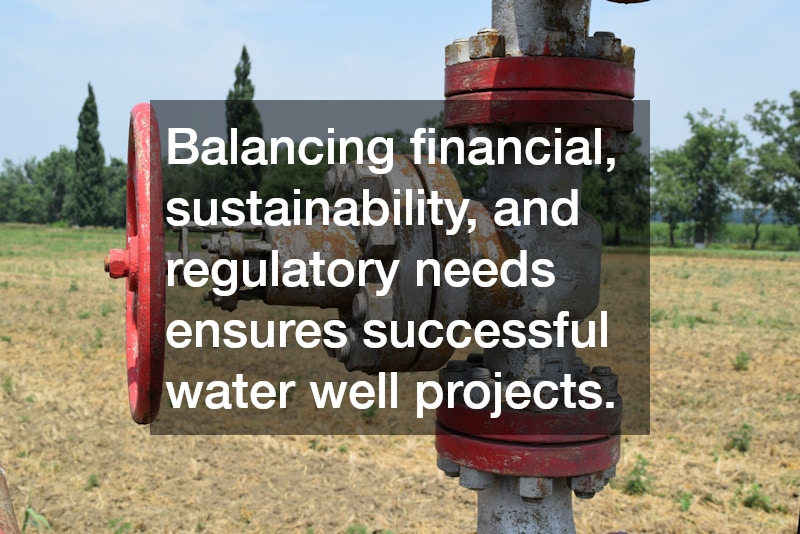
Effective cost management in water well services involves understanding geological conditions, maintenance practices, and material choices. These decisions affect both immediate and long-term costs. Balancing financial, sustainability, and regulatory needs ensures successful water well projects, preserving service integrity and affordability.